Where We Are Now: THE PIG Years, 2020-2024
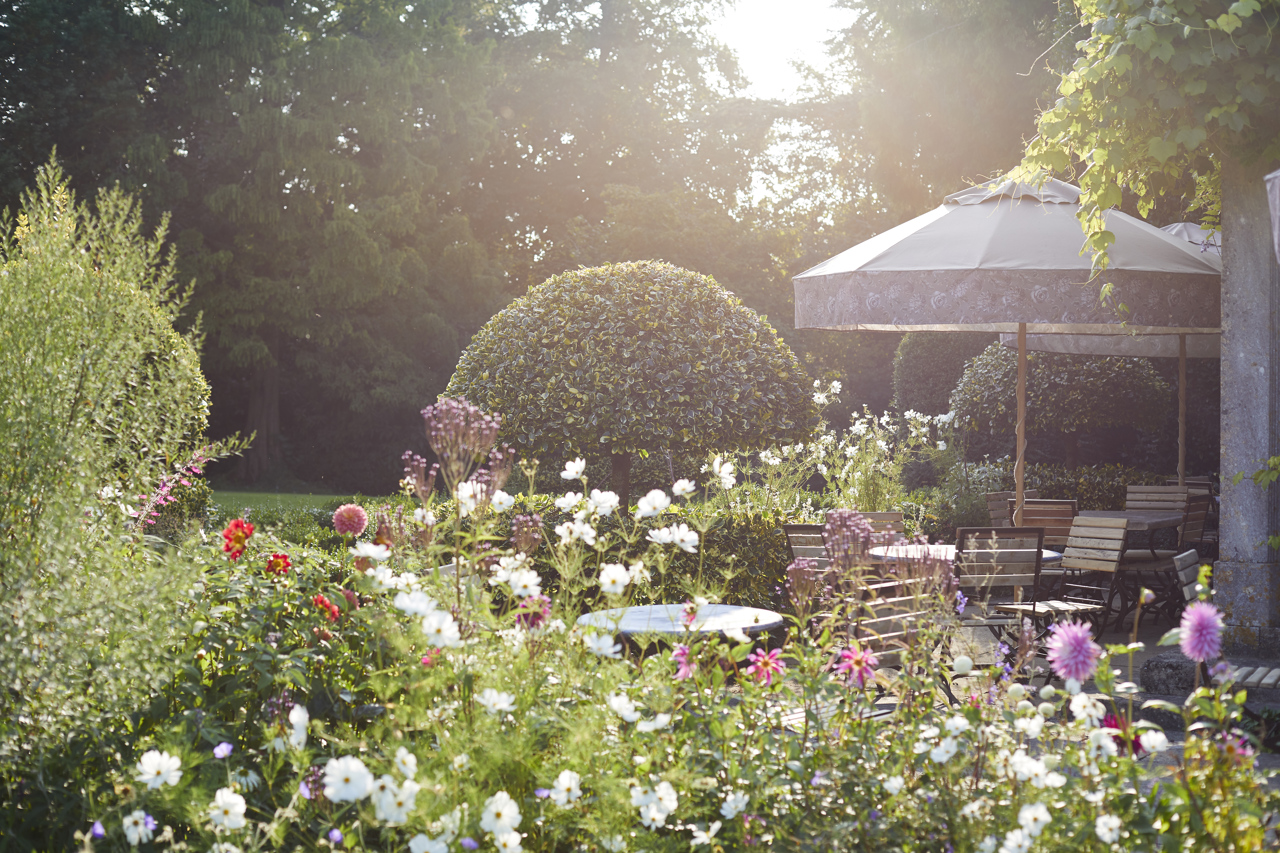
The last three, and the newest of the litter. Part Three takes us to the north Cornish coast, up onto the South Downs, and into one of the best-known gardens in England.
THE PIG-at Harlyn Bay, Cornwall - 2020
This is the good stretch of the north coast and everybody knows it. Harlyn Bay is a short walk from our front door, wide and sandy and full of surf schools in August. Constantine is round the headland, Trevose Head is out to the west, and Padstow is ten minutes away by car with its harbour and its restaurants and its queues. The light here does something particular in the late afternoon that we've yet to see anywhere else in the litter.
Harlyn House has been watching all of it for a very long time. The earliest roots go back over 600 years, to a medieval hall built by the Tregewe family. In the 17th century the Peters turned it into a grand Jacobean manor and held onto it for more than 200 years. Then came the Hellyars, who farmed it, and who earned a local name for going down to the bay to pull shipwrecked sailors out of the water, which tells you something about this coastline as well as about them.
By the middle of the last century the house had fallen into disrepair. The Millar family took it on and restored the whole patchwork of it: medieval foundations, Jacobean plasterwork, and the slate-walled Kitchen Gardens that are now full of our vegetables again, along with rock samphire, sea kale and sea beet that would grow along this coast whether we asked them to or not.
For almost all of its six centuries this was a private house with the doors shut. We opened it in June 2020, our seventh, and the answer to who might live here was somebody with sand in the hall and no intention of doing anything about it. Cosy rooms with sea views, salt in the air, and not a single thing you need to be careful with.
The thing to look for: a Kitchen Garden walled in Cornish slate.
THE PIG-in the South Downs, West Sussex - 2021
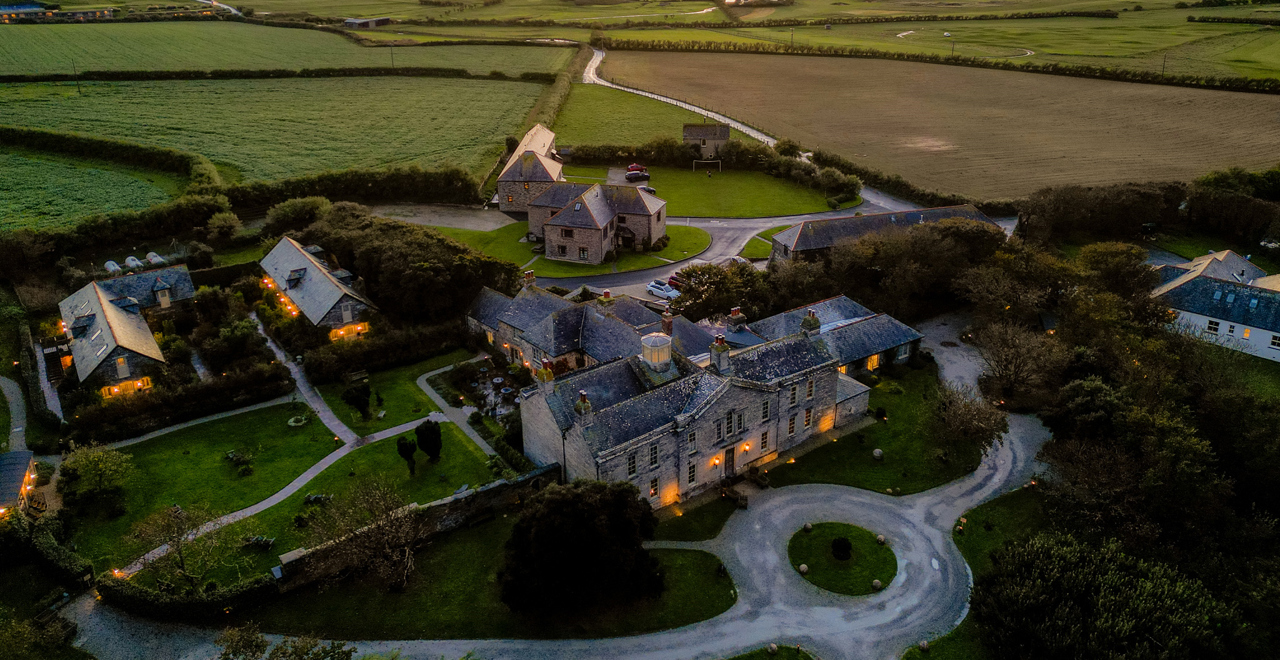
Madehurst is a handful of houses in a fold of the Downs, north of Arundel and its castle, with the National Park all around and the sea close enough to reach before lunch. Chalk grassland, beech hangers, and the sort of narrow lanes that make you slow down whether you meant to or not.
Before it was a PIG, this was Madehurst Lodge, an elegant Georgian house built as the secondary house for the nearby Dale Park estate. For many years it belonged to the Barron family, who were early and committed advocates of organic farming long before anyone was putting it on a label, and local families farmed this land for generations either side of them.
That's the part of the history you can still eat. The orchard of old English apple trees and the fruit cages here date back more than fifty years to the Barrons' organic management, so we inherited a garden that had been treated properly for half a century before we arrived. You don't come across many gardens with that sort of head start, and we knew exactly how lucky we were to inherit one.
We opened in September 2021 as our eighth, and added something no other PIG had: our own vineyard, planted on the south-facing slope where it belongs. Whoever lives here, we thought, is somebody who spends most of the day outside and comes in muddy at dusk, so the house is arranged accordingly - fires lit early, big kitchen, boots by the door and nowhere you'd feel obliged to sit up straight.
The thing to look for: apple trees that have been growing organically for more than fifty years.
THE PIG-in the Cotswolds - 2024
Barnsley is a small honey-stone village between Cirencester and Bibury, which is to say it sits in the middle of the prettiest run of countryside in the Cotswolds and doesn't make a fuss about it. Cirencester was a Roman city and still has the shape of one. Bibury has the row of weavers' cottages that everybody photographs, though it's the beautiful lanes in between that are the real reason to come.
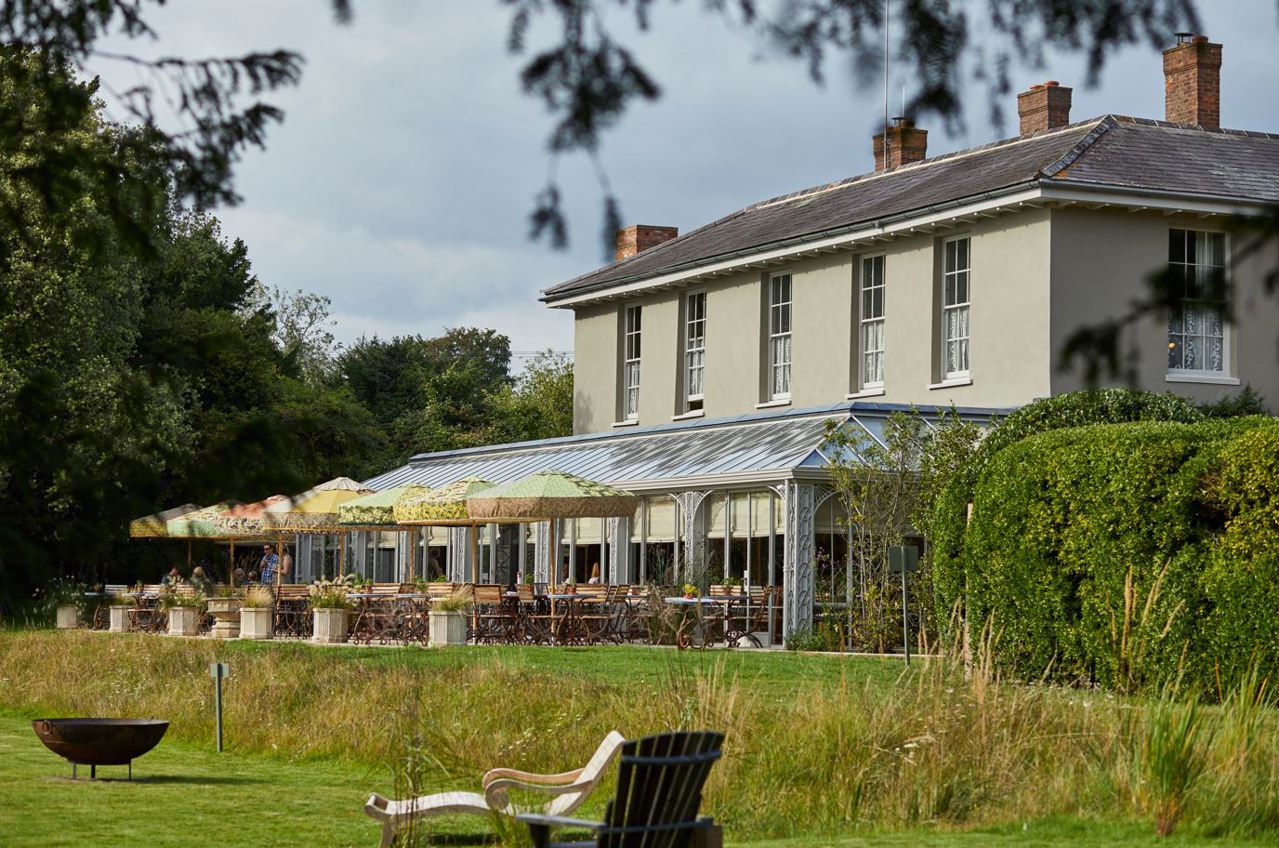
Barnsley House was built in 1697, served time as the village rectory, and was a private family home for centuries. Then, from 1952 onwards, it became the lifelong home and life's work of the garden designer Rosemary Verey, who turned the grounds into one of the most influential gardens in England: classic British planting with Arts and Crafts flair, and a way of thinking about kitchen gardens that we owe a great deal to.
Much of what she made is still here. The Laburnum Walk, the Knot Garden, the Tuscan temple, the Gothick Summerhouse. After she died in 2001 her grandson Tony looked after the gardens for over 35 years, and it's largely down to him that they came through intact.
We took it on in 2024 as our ninth PIG, which felt like a considerable responsibility and still does. The garden is listed in its own right, so the question of who might live here had an unusually firm answer: a gardener. Everything else in the house defers to that. The Village Pub is a two-minute walk up the road, which is the correct distance for a pub.
Nurturing somebody else's horticultural legacy is a decent way to spend the next few decades. We'd like you to come and wander it.
The thing to look for: a laburnum tunnel that flowers for about a fortnight, and is worth planning a trip around.